

8 Reasons Your Eyes Are Red—and How to Treat Them
8 Reasons Your Eyes Are Red—and How to Treat Them
What’s causing those red eyes?
Bright red spider-like veins, red patches, overall redness—learn all the causes of bloodshot eyes, so you can get a sense of what’s behind the redness in yours and whether you need to see an eye doctor pronto.
If the eyes are the mirrors of the soul, bloodshot eyes are the mirrors of your health, letting you know that something’s going on either with your eyes themselves or in another part of your body. But because so many conditions can cause one or both of your eyes to take on a reddish hue, it’s not always easy to figure out what’s causing the redness—and what you should do about it.
“Usually the eyes turn red because the blood vessels on the surface of the eye get dilated or inflamed,” explains Jessica Lee, MD, assistant professor of vitreoretinal surgery, department of ophthalmology at the New York Eye and Ear Infirmary of Mount Sinai. “And there are a multitude of reasons that can happen.”
Some of these reasons are simple and have an easy fix, while others are more serious; red, inflamed, and/or itchy eyes could be the first sign of a condition that may have a real impact on your vision. We asked Dr. Lee to explain all the things that could cause red eyes, so you can better determine why you’re sporting the bloodshot look and how to treat it.
Allergies
Not only can an allergic reaction make your eyes feel bad—think itchy, tender, and watery—but allergies also trigger a blotchy kind of redness, which only becomes worse if you scratch your eyes. “Allergic reactions occur when the body’s natural immune system overworks or has an excessive response to a harmless stimulus,” says Dr. Lee. Almost anything can set off a reaction, but the most common allergens are dust, pollen, pet dander, and detergent.
The redness will start to go away once you are no longer exposed to the allergen, but that can take a while, depending on the severity of your allergy. To speed things up, splash your eyes with water or use a cool compress on them. Over-the-counter eyedrops designed to counter allergies can help, as can antihistamine meds. Try to figure out what caused your reaction and avoid coming into contact with it again, advises Dr. Lee.
Pink eye
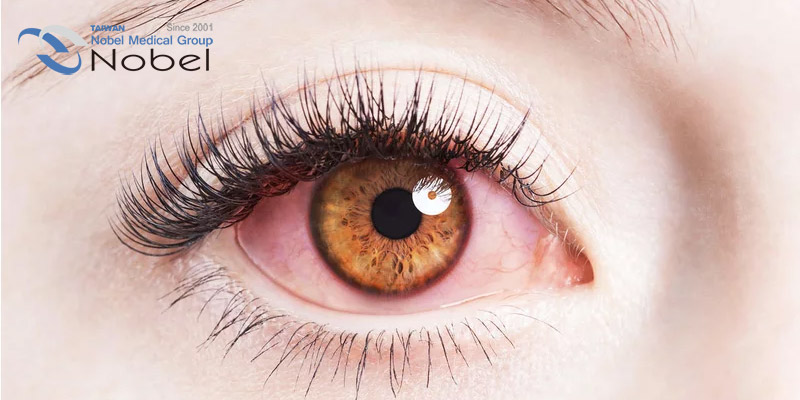
Pink eye is the non-medical term for conjunctivitis—a bacterial, viral, or allergy-induced infection that leaves one or both eyes bright red, swollen, teary and itchy, says Dr. Lee. It’s easily spread, unfortunately, and though it rarely becomes serious, a bout of conjunctivitis can keep you away from work for several days and turn your eyes into goopy, pinkish-red messes.
The condition doesn’t necessarily require a doctor’s visit; applying a cold compress can help ease the redness and make your eyes feel better. But if you’re not sure if what you have is conjunctivitis, or the infection doesn’t go away in a few days, check in with your MD. The type you have will determine how and if your doctor can treat it—for example, if it’s bacterial, antibiotic eyedrops can help.
If you have either viral or bacterial conjunctivitis, practice good hand hygiene to keep it from spreading to other people in your household. Sharing towels or makeup, or just touching your eyes and then making contact with another person, can transmit it.
Too much alcohol

If you’ve ever had one too many drinks and noticed at the time or the next day that your eyes sported bright red spider veins in them, then you’ve experienced alcohol’s effect on the eyes. Here’s what happens: Alcohol causes the tiny blood vessels on the eyes to dilate—so more blood flows through them. The more you drink, the more visible and red they appear against the whites of your eyes, says Dr. Lee.
Over the counter eye drops can help lessen the redness, and as the alcohol leaves your system in the hours after your drinking binge, the blood vessels will return to normal.
Too little sleep

Tired eyes tend to be bloodshot eyes. That’s because a lack of sleep can decrease the amount of oxygen that reaches your eyes, which in turn causes blood vessels in them to dilate and appear red.
Another factor that leads to redness comes into play as well. “If your eyes are kept open for a long time because of lack of sleep, it prevents the cornea (the surface of your eye) from being well lubricated, and this can cause dryness and redness,” says Dr. Lee. “The best way to calm them would be to get more sleep, and use artificial tears and cool compresses to ease the discomfort.”
A stye
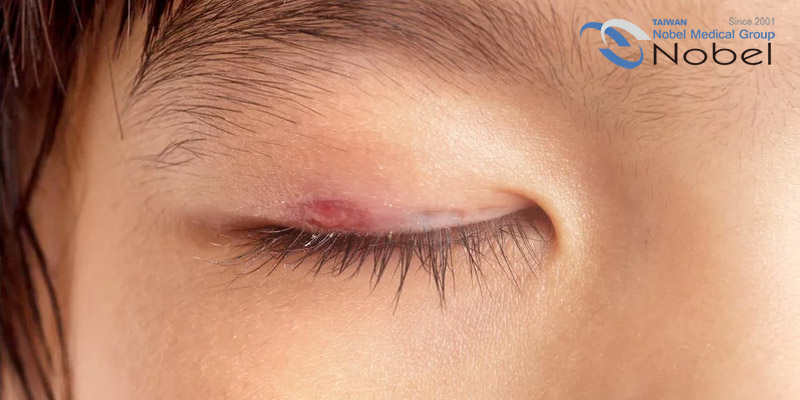
A stye is a small red bump that forms on your eyelid or bottom edge of your eye after an oil gland there becomes plugged up. You could have just one or several, and each will resemble a pimple or boil. One of the first signs is redness, along with swelling and sensitivity. They’re caused by bacteria and almost everyone will have them at some point.
Luckily a stye doesn’t affect your vision. But it isn’t exactly pretty, and getting rid of it generally involves waiting it out and letting it go away on its own in several days. Like all pimples, touching it can make it worse. And of course, don’t try to pop it; that too can worsen the infection. If you get styes frequently, see your ophthalmologist, who may prescribe an antibiotic ointment.
Contact lens irritation
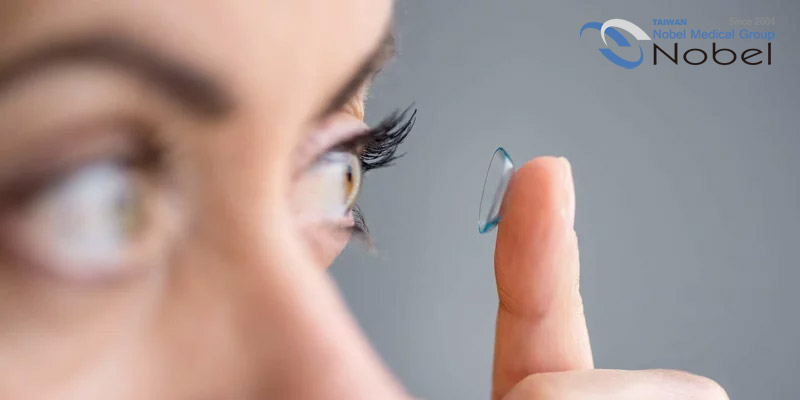
Contact lenses can prevent enough oxygen from reaching your eyes, leaving you with bloodshot and irritated peepers, says Dr. Lee. “If the lenses are worn too long or worn while sleeping, they can cause redness, infections, and in worst-case situations corneal ulcers.”
Steer clear of these issues by following the lens care directions closely, cleansing them properly, practicing good contact lens hygiene, and taking them out before you fall asleep. In the meantime, eye drops can ease the redness and soothe irritation.
A subconjunctival hemorrhage
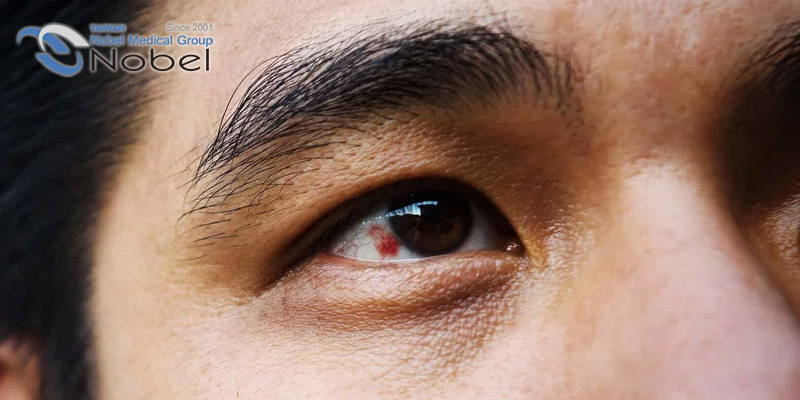
A subconjunctival hemorrhage happens when a blood vessel just under the eye surface breaks, and blood gets trapped and forms a bright red patch in the white of your eye. It’s a common injury and though the hemorrhage looks serious, it won’t likely affect vision or cause any pain, discharge, or swelling.
A subconjuctival hemorrhage can be brought on when you overexert yourself, say at the gym or by lifting something heavy, or even by a strong sneeze or cough. Even throwing up can trigger hemorrhaging, as can direct trauma to your eye. The red patch usually fades over a few weeks.
Glaucoma
Glaucoma is actually a series of diseases that damage the optic nerve (the nerve that connects the retina of the eye to the brain), often when too much pressure is put on the eye due to fluid buildup. One of the first signs of one type of glaucoma, called acute angle-closure glaucoma, is redness, according to the Mayo Clinic. Other signs include blurred vision, seeing halos around lights, and pain in the eyes.
Glaucoma can potentially cause blindness, so it’s important to see an eye specialist for a full exam if you suspect you may have it. Typically glaucoma progresses slowly, but if the redness and vision problems pop up suddenly, and you also experience headaches and/or nausea, it may be a medical emergency.
Though glaucoma is more common among older adults, anyone of any age can develop one of the types of the disease. Getting regular eye exams can catch it early and slow down vision loss with the help of medication.
Recent Comments